
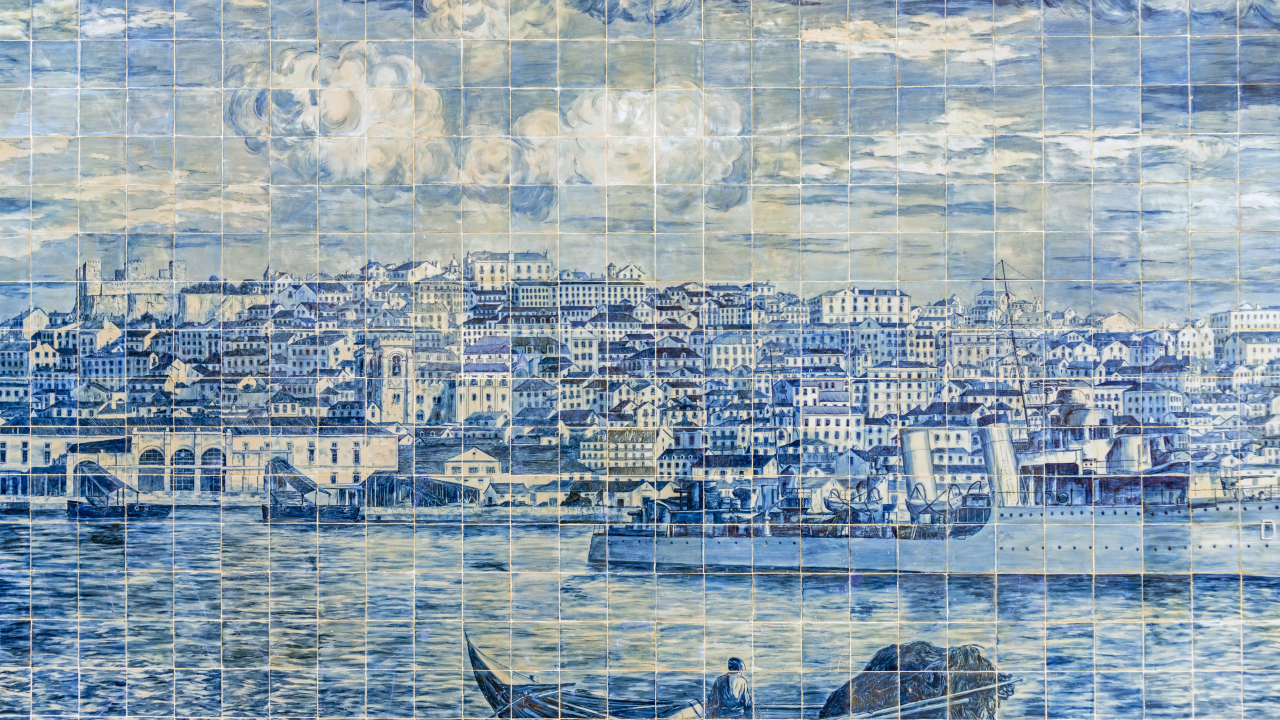
Sintra – The Heart and Soul of the Azulejos
Azulejos stems from the Arabic word al-zulayj, meaning “little polished stone.” These geometric tiles evolved over centuries into a distinctly Portuguese art form, often depicted in blue paint on white backgrounds, illustrating legends and myths from the country’s culture and history. Today, azulejos can be found throughout Portugal, on monuments, castles, lighthouses, subway stations, and even at our heritage yoga retreat home.

The use of these tiles began around the 16th century in Sintra, Portugal, but their story begins long before. Their origins can be traced to the early 8th century, when Muslims from the East and North Africa migrated into what is now the Iberian Peninsula, specifically Portugal and Southern Spain.
During their period of influence, these peoples introduced significant advances in science, agriculture, mathematics, architecture, and philosophy, bringing algebra, Arabic numerals, translations of Aristotle, and what would become the tradition of azulejos.
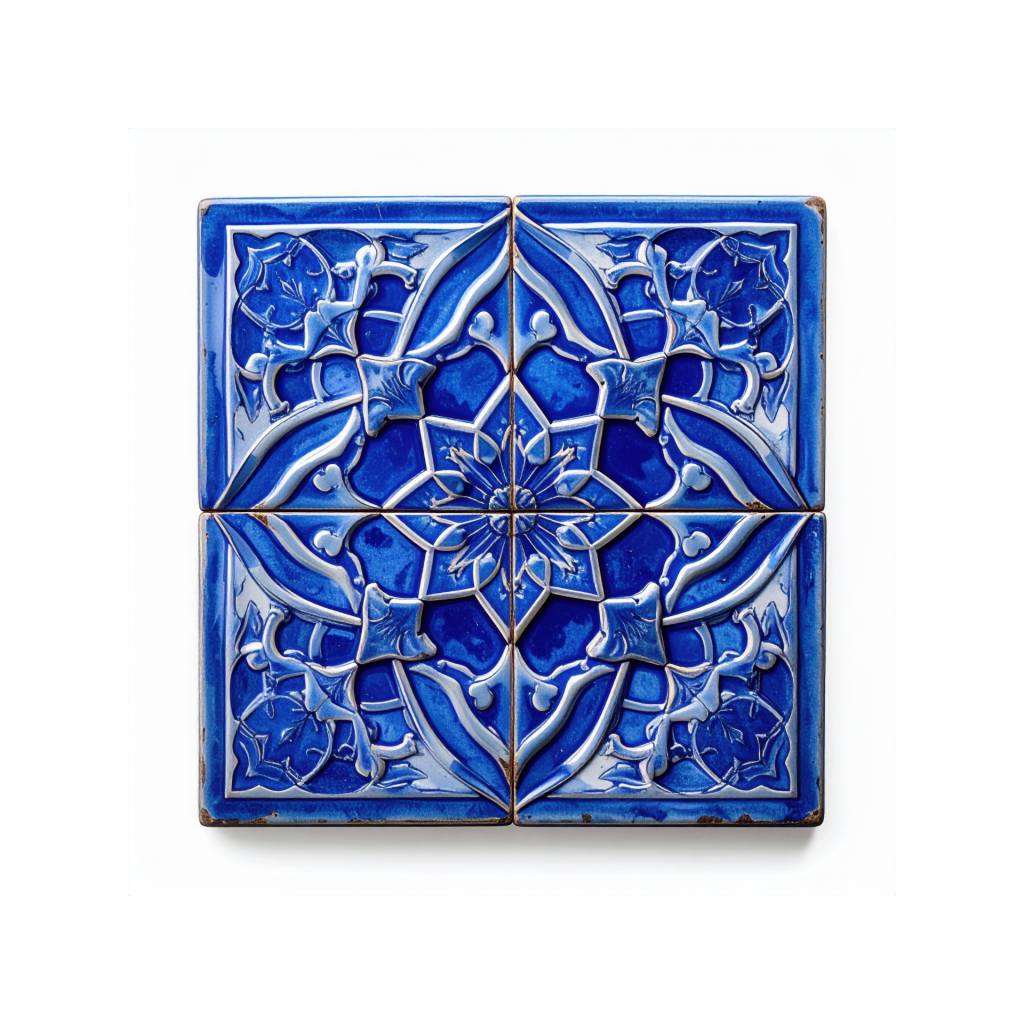
Developed largely by Muslim artisans living in Castile, azulejos were created using a technique called “edging.” In this process, clay was pressed into molds or spread into dry, corded geometric shapes so that raised edges would prevent colors from bleeding into one another. The technique eventually became widespread throughout the entire region.
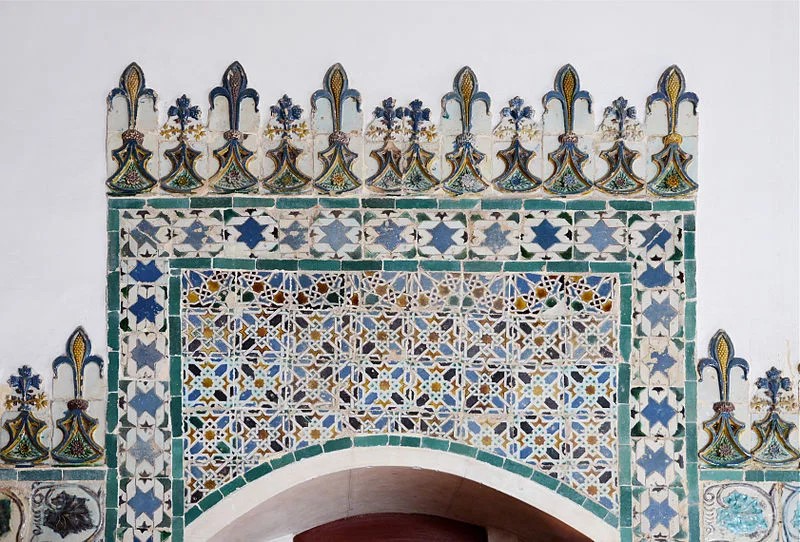
After visiting Seville in 1503, Portuguese King Manuel I was so captivated by these beautiful tiles that he began importing them, incorporating intricately designed azulejos into royal residences such as the National Palace of Sintra.
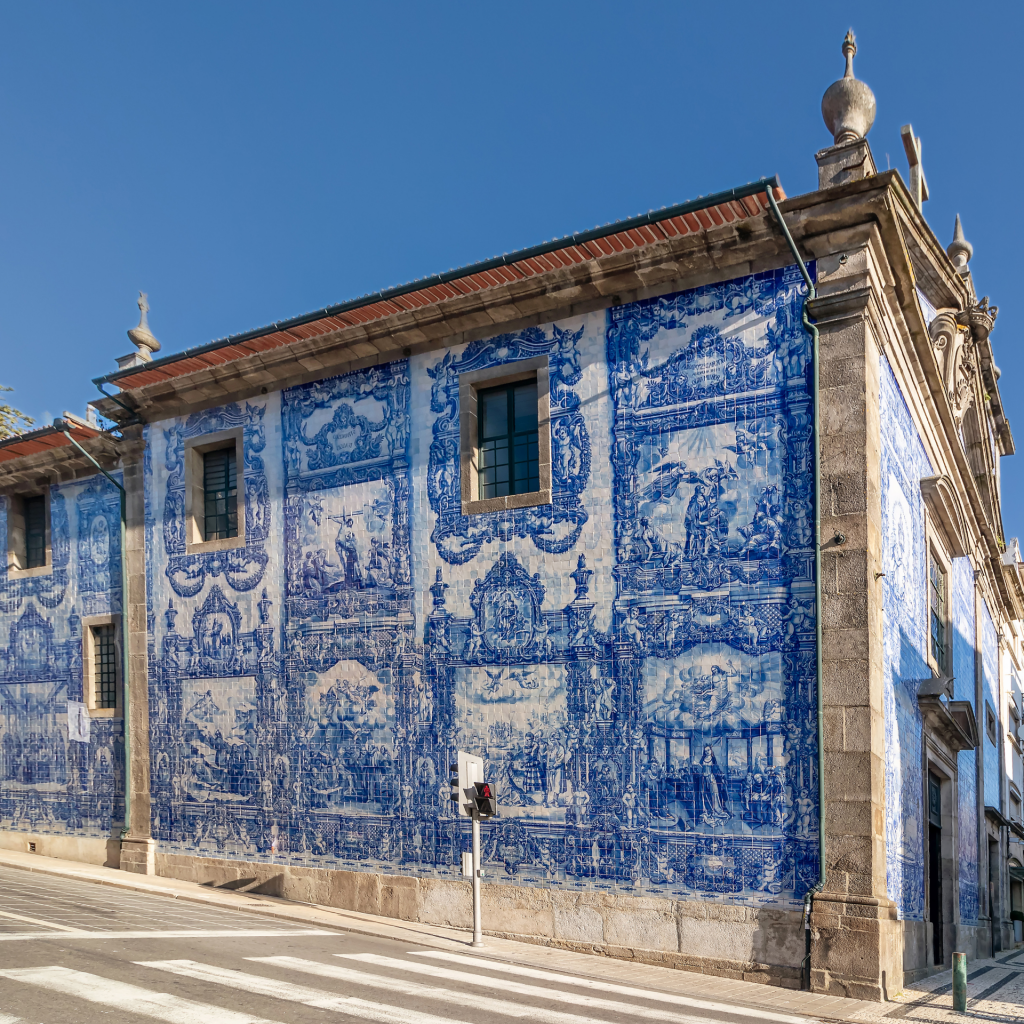
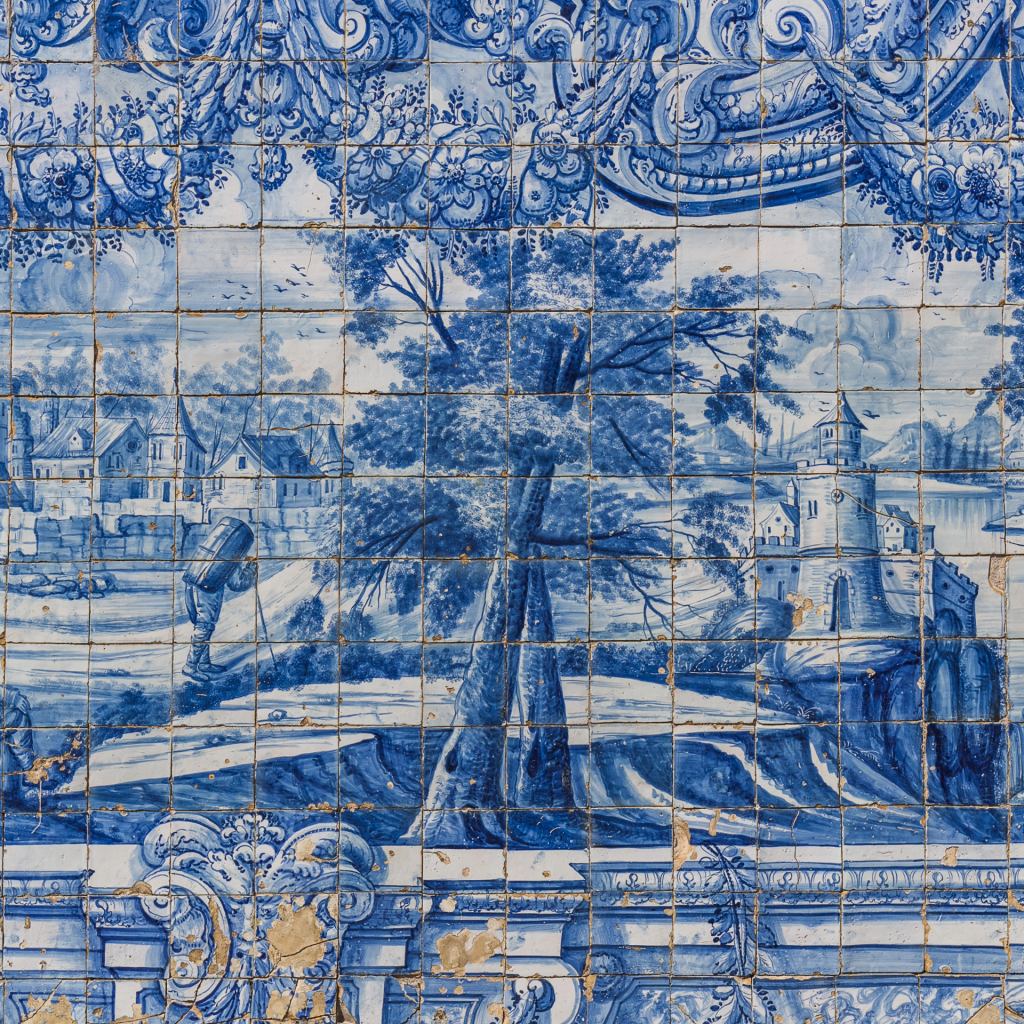
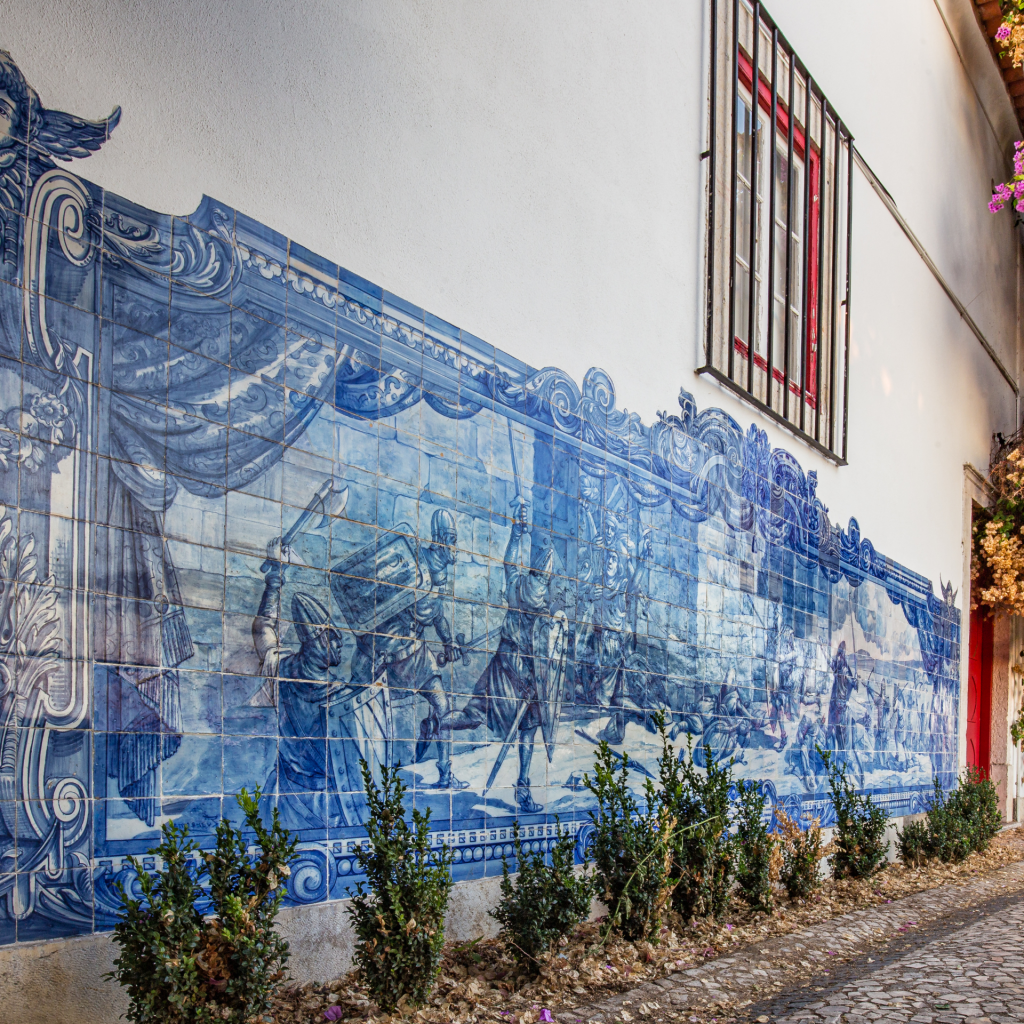
Initially relying on imports, Portugal soon developed its own distinctive style. Geometric designs gradually gave way to pictorial stories: blue-and-white tiles depicting historical events, legends, myths, and scenes from daily life. Over time, azulejos became deeply woven into Portuguese culture and identity, expanding beyond royal palaces to adorn churches, homes, and public spaces.
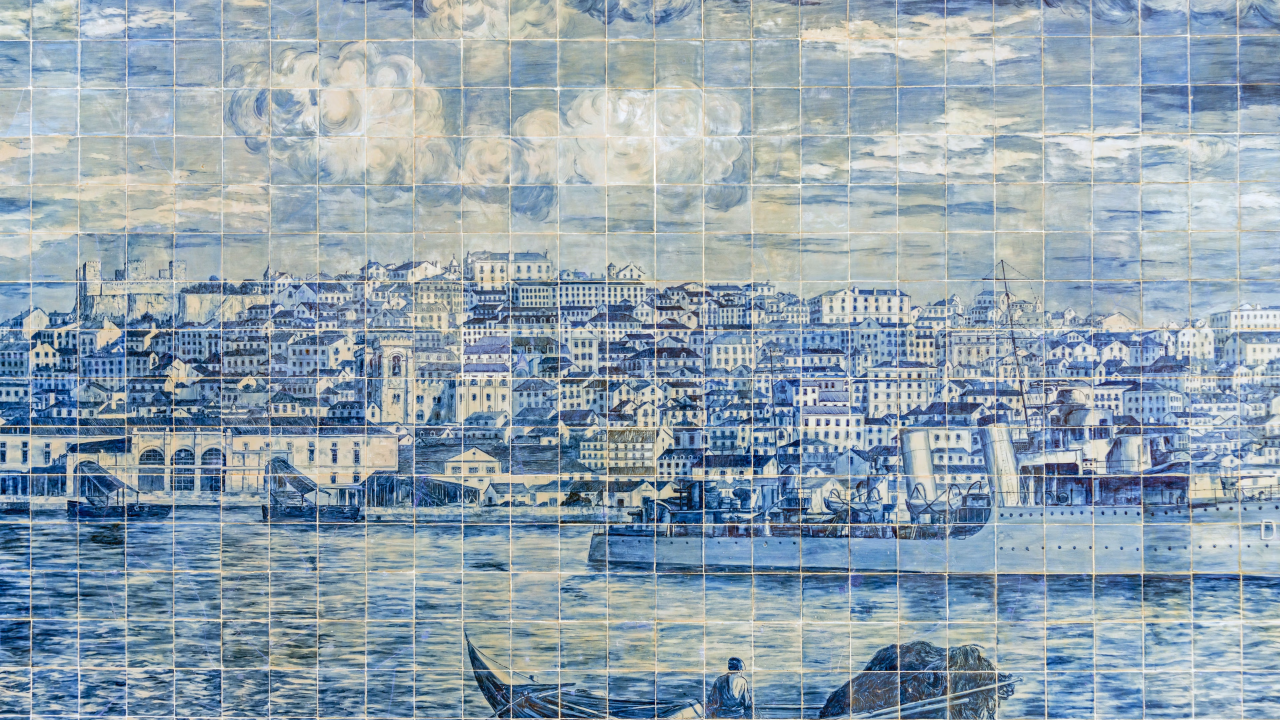
During our retreat, as we explore the surrounding monument-studded landscape, this storied, artistic tradition will be a unifying thread throughout our journey. At every turn, we’ll find new opportunities to discover beautiful architectural details revealing these exquisite historical and culturally significant works of art.






Registered Seller of Travel
CST #2142333-40
California law requires certain Sellers of Travel to have a trust account or bond. This business has a trust account.

